Breakfast all day sounds simple until you watch a grill at noon in Cherryville, with eggs to order, bacon at three stages, pancakes holding for one ticket and hash browns crisping for another, all landing on plates at the same moment. The short-order dance is that coordination, and when it breaks down, the failures follow patterns a diner can actually spot.
This troubleshooting walkthrough starts from the symptoms you can see and taste, works back to the likely causes on the grill, and ends with what good timing looks like. It is also a fair way to judge a cafe: breakfast all day is a promise about kitchen discipline, not just menu length.
Symptom: eggs arrive wrong or wait too long
Eggs are the fastest-cooking item on the plate and the least forgiving of delay. Over-easy eggs held under a heat lamp keep cooking and lose their runny yolk within minutes. Scrambled eggs held too long turn watery and dull. The likely cause is sequencing: eggs fired too early, before the bacon, potatoes, and toast that take longer are nearly done. In a well-run kitchen, eggs are the last thing on the grill for each ticket, timed to finish as the plate is assembled.
The fix at home mirrors the cafe. Cook everything else first, keep it warm, and do the eggs in the final two minutes. At a cafe, if eggs consistently arrive overcooked at the lunch hour, the issue is ticket flow, not egg skill.
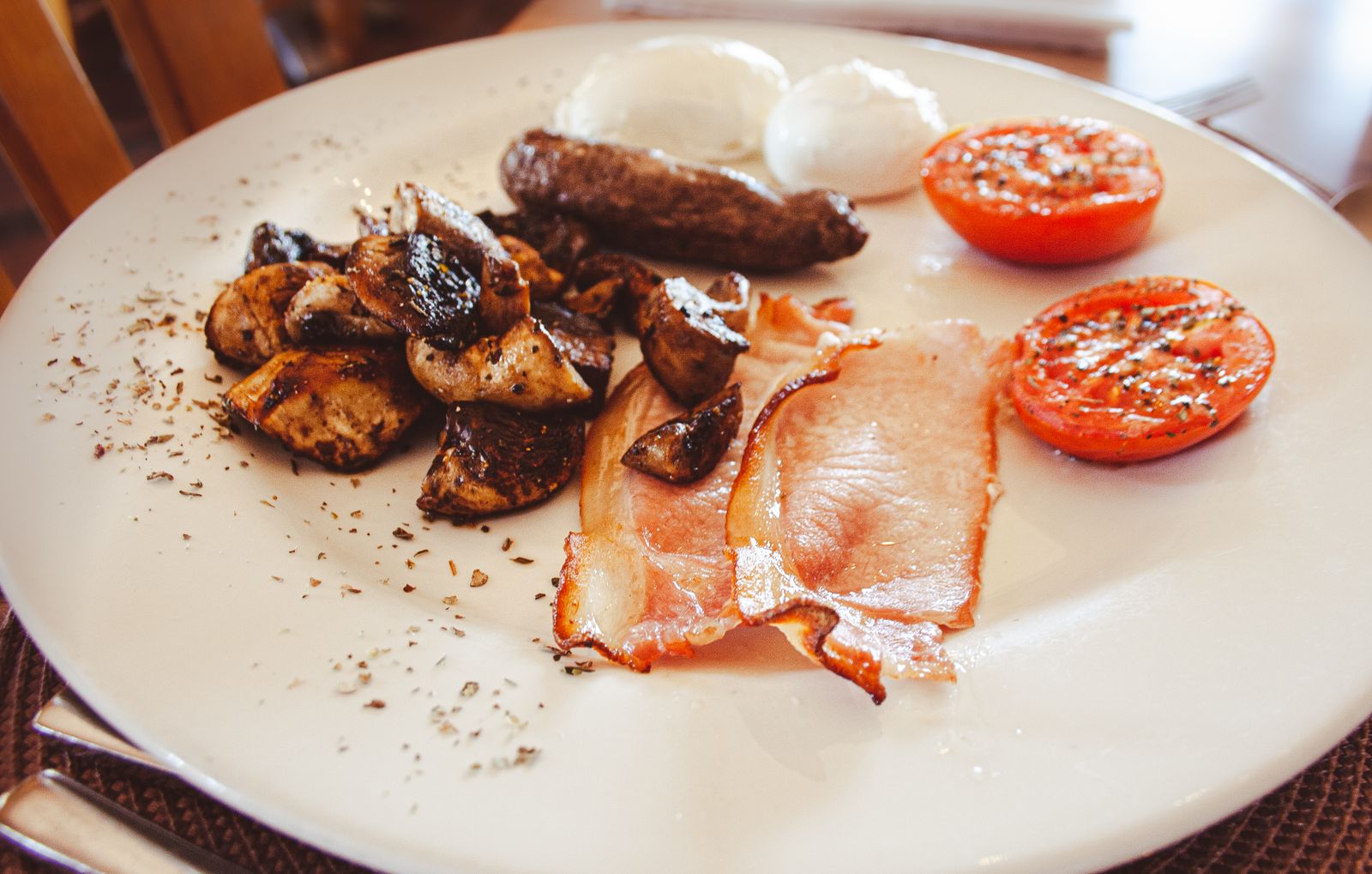
Working the grill: a step-by-step recovery order
- Read the symptom on the plate. Cold food points to holding problems. Overcooked eggs point to firing order. Soggy potatoes point to a crowded or cool grill surface.
- Check the ticket flow first. Tickets should fire in order, with long items like bacon, sausage, and potatoes started well before eggs and pancakes for the same table.
- Check grill zoning. A working grill keeps hot and moderate areas, so eggs do not scorch where bacon just rendered and potatoes get the steady heat they need to crisp.
- Check batch sizes. Bacon and potatoes can be par-cooked ahead of a rush and finished to order, but eggs and pancakes should not be. Large stale batches are a holding failure in disguise.
- Check the pass. Plates should move from grill to table in about a minute. A correct plate that waits five minutes under a lamp arrives as a different, lesser breakfast.
- Fix it yourself at home by shrinking the menu per meal: two or three items cooked in the right sequence beat five items fired at once and finished at five different times.
- Decide the cafe verdict plainly: one slow plate in a rush is service. The same timing errors on a quiet morning are system, and that is when a regular picks a new spot.
Why noon is harder than 7 a.m.
Breakfast all day means the grill never resets. At 7 a.m., every ticket wants the same family of food and the rhythm is steady. At noon, breakfast tickets interleave with burgers and lunch plates that use the same surface at different temperatures. The cook is running two services on one grill, and the dance becomes about space management: where the eggs go while a burger sears, and how toast times against both.
Kitchens that do this well, including the crew at Home Folks Cafe, stage the work so breakfast keeps its own corner and its own timing even inside the lunch rush. Kitchens that struggle let lunch push breakfast to the cold edge of the grill, and the eggs tell on them.
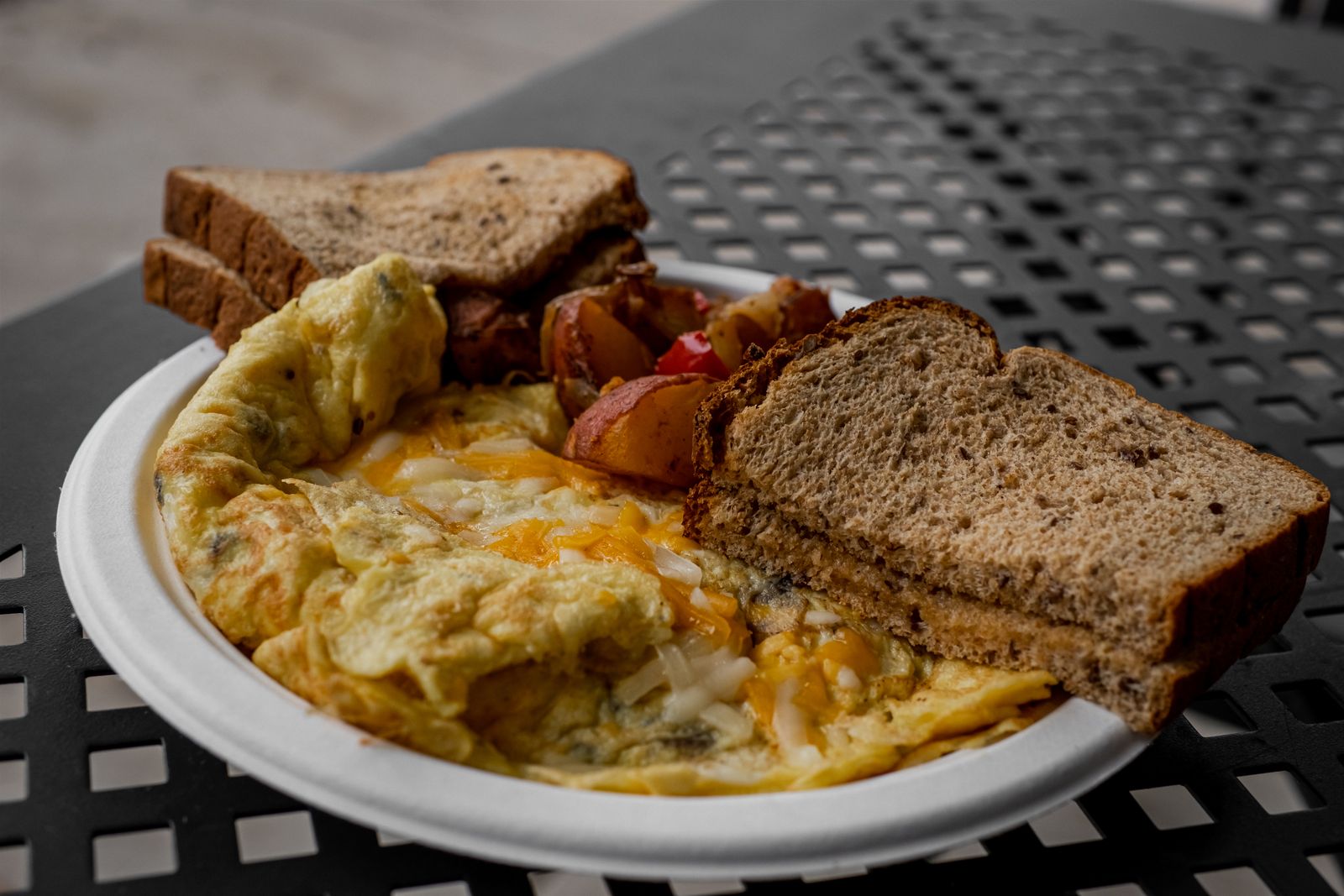
The home cook's version
You do not need a flat-top to use this. A home stove with two pans teaches the same lesson: start the potatoes, add the bacon, toast while the eggs cook last, and plate immediately. Write the order on a sticky note for your first few weekend attempts if you need to. Short-order cooking is choreography anyone can learn, one ticket at a time.
Common questions
Why are eggs always cooked last?
Eggs cook in one to three minutes and deteriorate quickly when held. Firing them last means they reach the plate at their best while slower items finish alongside.
What does par-cooking mean on a breakfast grill?
Partially cooking items like bacon or potatoes ahead of a rush, then finishing them to order. It speeds service without the quality loss of holding fully cooked food.
Is breakfast all day a sign of a good cafe?
It is a sign of a confident one. Keeping breakfast timing right inside a lunch service takes grill discipline, so consistent noon eggs are a meaningful quality signal.
Photos in this guide are representative stock images.
← All guides from Home Folks Cafe← Back to Home Folks Cafe