A good biscuit in Cherryville is judged before the butter melts: tall, layered, golden on top, and soft enough in the middle to pull apart with your fingers. The cathead standard, named for biscuits roughly the size of a cat's head, sets the size expectation. Lard, butter, and technique decide whether a biscuit actually gets there.
This how-to walks through what each fat does, where home bakers can match a cafe biscuit, and where the short-order line sits. None of it is secret. Biscuits reward cold ingredients, a light hand, and a hot oven, in that order.
Lard, butter, and what each brings
Lard renders the most tender crumb and the flakiest layers, because it coats flour evenly and melts at a point that leaves distinct pockets as the biscuit rises. Its flavor is mild and savory when fresh, letting the flour and buttermilk lead. Butter brings unmistakable flavor and good browning, with layers that are slightly less lofty because butter contains water and milk solids and melts faster in your hands. Many Southern bakers use both: lard or shortening for structure, butter for taste, sometimes in the same batch.
The flour matters as much as the fat. Soft winter wheat flour, milled fine and lower in protein, makes a tender biscuit with less risk of toughness. All-purpose flour works at home if you handle the dough gently. Self-rising flour already carries baking powder and salt, which simplifies the mix and is the traditional choice in many North Carolina kitchens.
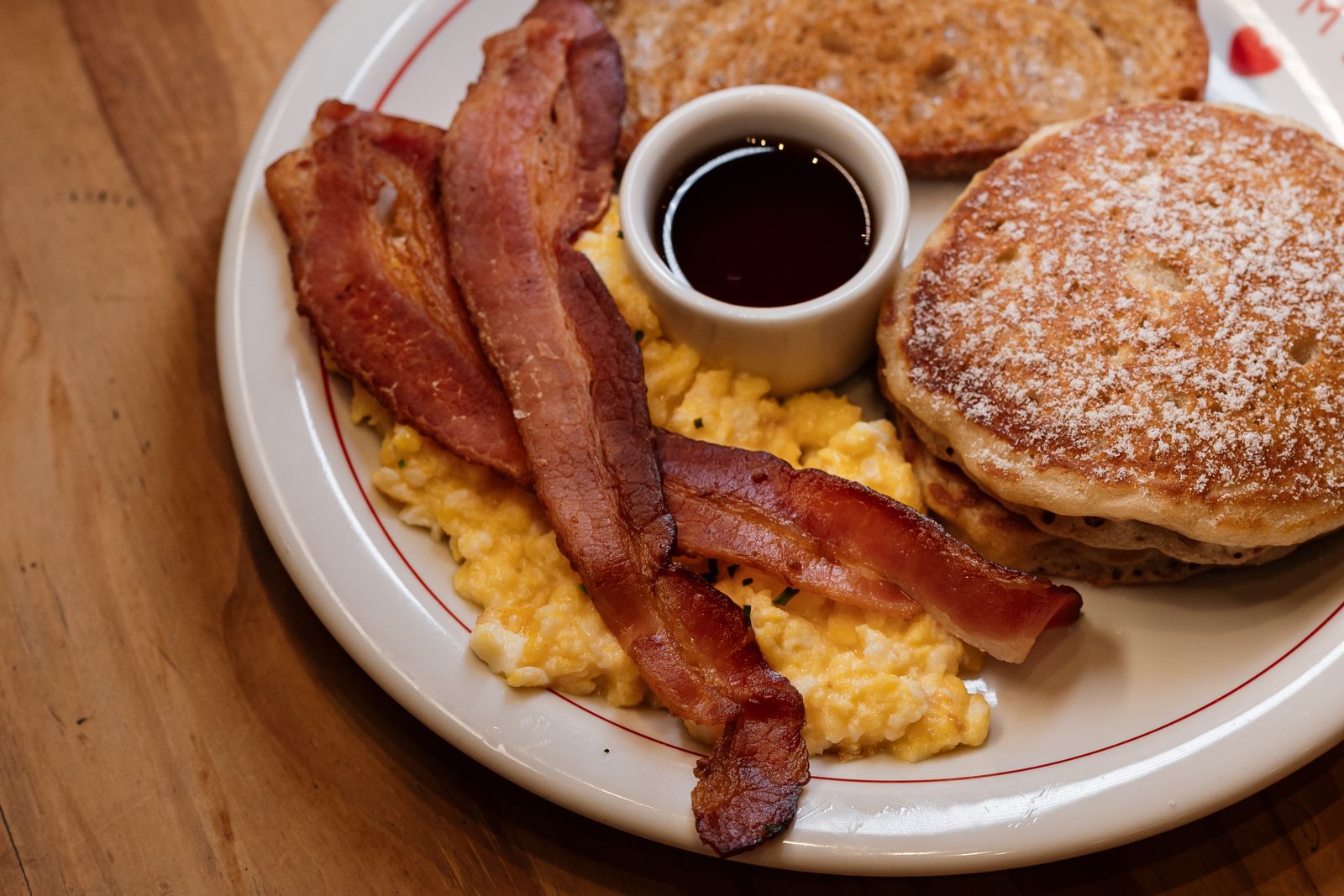
Making biscuits at home, step by step
- Chill everything. Keep butter or lard cold, use cold buttermilk, and on a humid Piedmont day, chill the flour for 15 minutes too. Warm fat is the most common cause of flat biscuits.
- Cut the fat into the flour with a pastry cutter or your fingertips until the pieces range from pea-sized to coarse crumbs. Visible pieces are what become layers, so do not blend it smooth.
- Add cold buttermilk and stir just until a shaggy dough holds together. A wet, sticky dough bakes up lighter than a dry, neat one, so resist adding extra flour here.
- Turn the dough onto a floured surface and fold it over itself four or five times, pressing gently. This folding builds the horizontal layers that let a biscuit split cleanly.
- Pat or roll to about three-quarters of an inch to an inch thick. Cut straight down with a floured cutter and do not twist, because twisting seals the edges and limits the rise.
- Place biscuits close together on the pan for soft sides and taller rise, or spaced apart for crisper edges. Both are correct; choose by the texture you want.
- Bake in a fully preheated hot oven, commonly 425 to 450 degrees Fahrenheit, until tall and golden, usually 12 to 15 minutes depending on size. Serve promptly, because biscuits are at their best within minutes of the oven.
The cathead standard, explained
Cathead is a size word, not a recipe. It promises a biscuit big enough to hold a full serving of gravy, a fried egg, or a piece of country ham without falling apart, and it signals that nobody at the table will need to ask for a second one to feel fed. Drop biscuits and hand-formed biscuits both wear the name when they come out large. What the standard really protects is generosity: a biscuit built as a main part of the plate, not a garnish at the edge of it, the way breakfast is served at places like Home Folks Cafe.
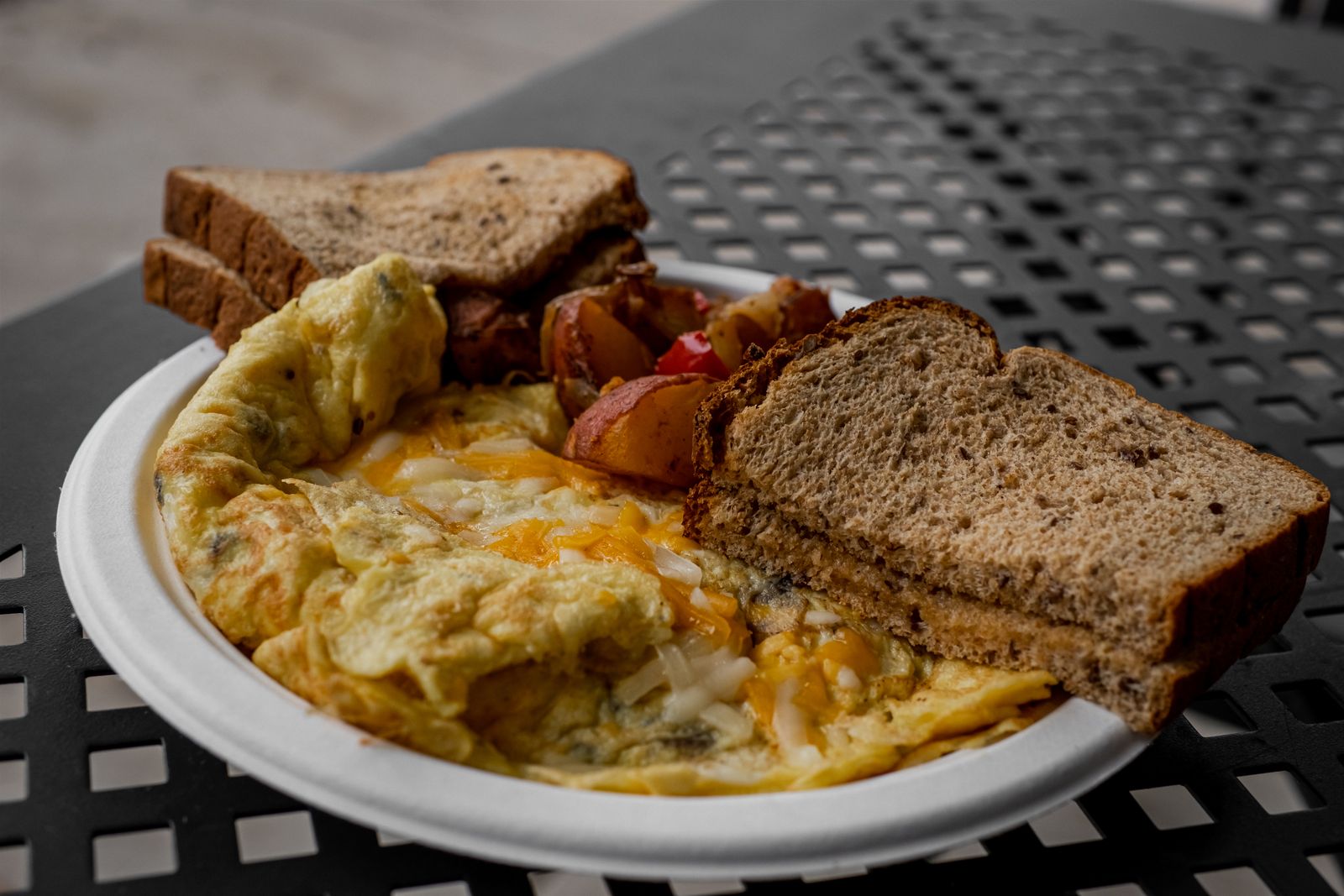
Where home baking meets its limit
Home bakers can match a cafe biscuit on any given morning; the recipe is the same handful of ingredients. The cafe advantage is repetition and a seasoned rhythm: dough mixed in small batches through the morning, an oven that stays hot, and hands that have cut fat into flour thousands of times. If your biscuits come out short, check fat temperature first, dough handling second, and oven heat third. In that order, almost every flat batch explains itself.
Common questions
Is lard or butter better for biscuits?
Lard gives the tenderest, flakiest crumb, while butter gives the richest flavor. Many bakers use a mix of both to get tenderness and taste in the same biscuit.
Why did my biscuits not rise?
The usual causes are warm fat, overworked dough, a twisted cutter, or an oven that was not fully preheated. Cold ingredients and a straight-down cut fix most short batches.
What makes a biscuit a cathead?
Size. A cathead biscuit is large, roughly the size of a cat's head, big enough to carry gravy, egg, or ham as a main part of the breakfast plate.
Photos in this guide are representative stock images.
← All guides from Home Folks Cafe← Back to Home Folks Cafe